Why do we like to walk?

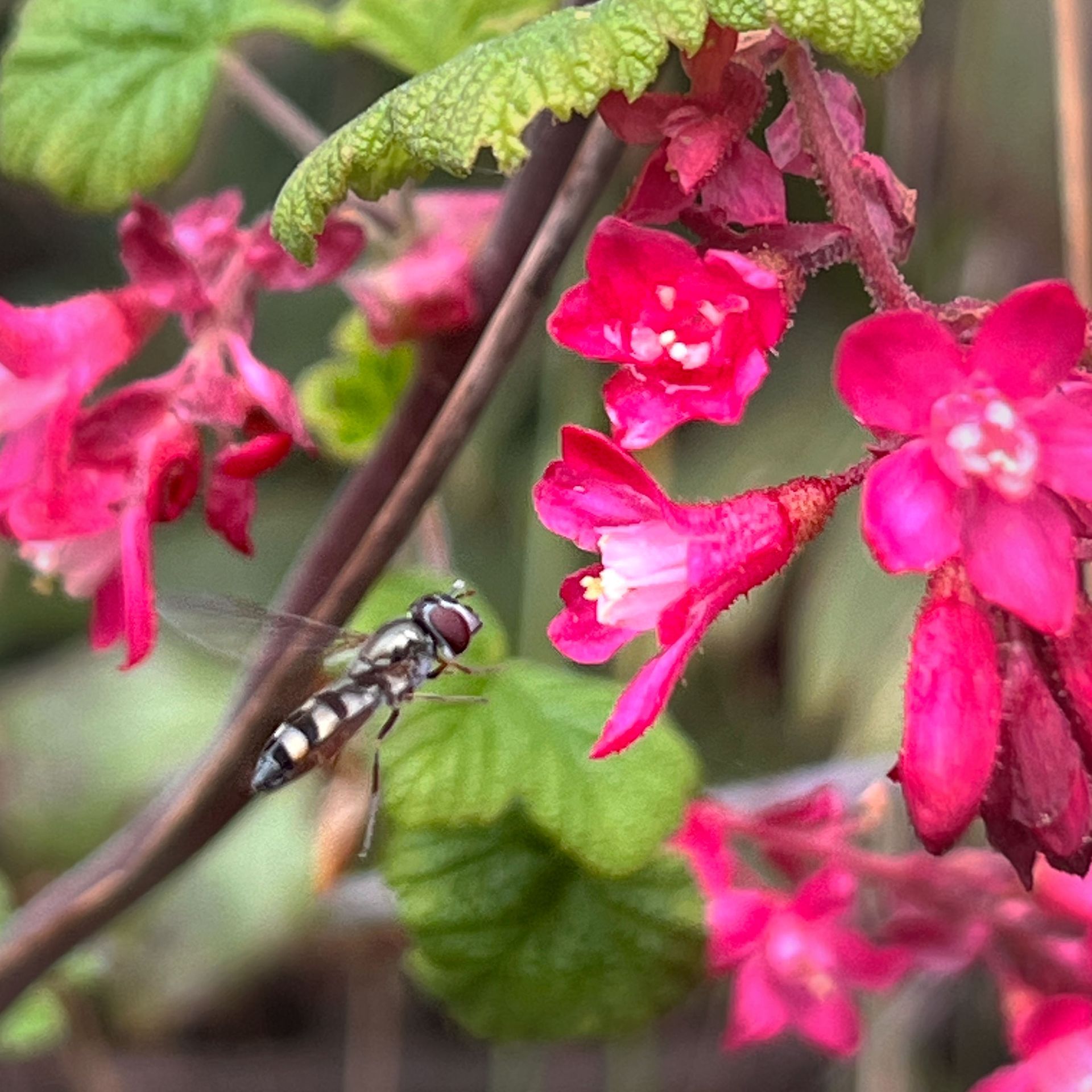
Why do we like to walk—especially outdoors, in nature? What draws us into the woods, to where the wild things are? Is it the quiet—the chance to still our minds from the constant noise that surrounds us? Or is it that, when we become quiet ourselves, we begin to hear a different kind of sound?
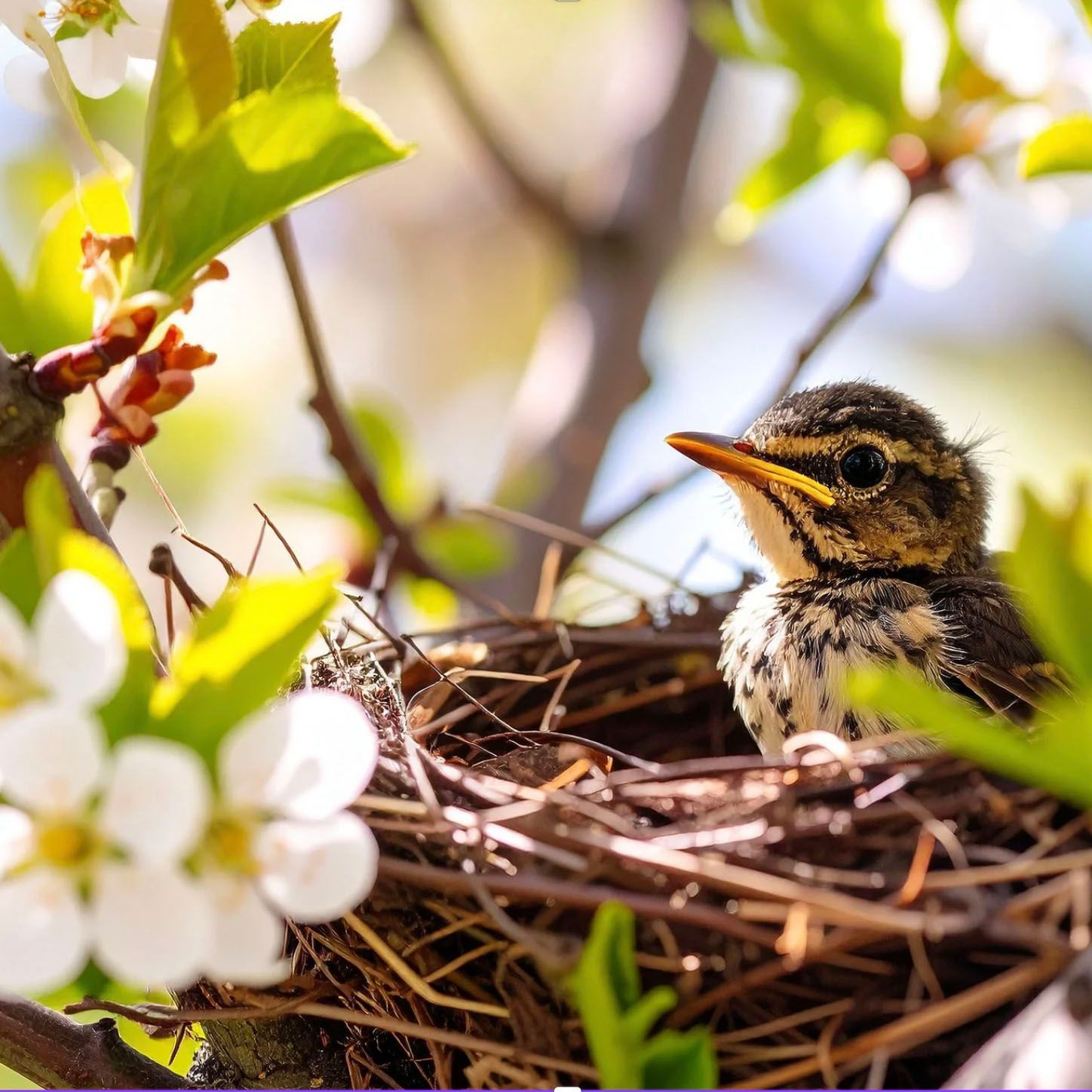
In the woods, there is the call of birds to one another, the rustle of leaves in the wind, the soft gurgle of water moving downslope. These sounds don’t compete; they invite attention. A walk in the woods allows the mind to settle. It can be purposeful and grounding—you can feel virtuous, even, knowing you are doing what doctors and self-help articles recommend: moving your body, getting fresh air, engaging in gentle exercise.
And yet, at the same time, you are letting go. Your mind relaxes, even as it becomes more attentive to what matters. It is the wildness of the place—the absence of control, the presence of life on its own terms—that makes the experience so restorative.
Martha
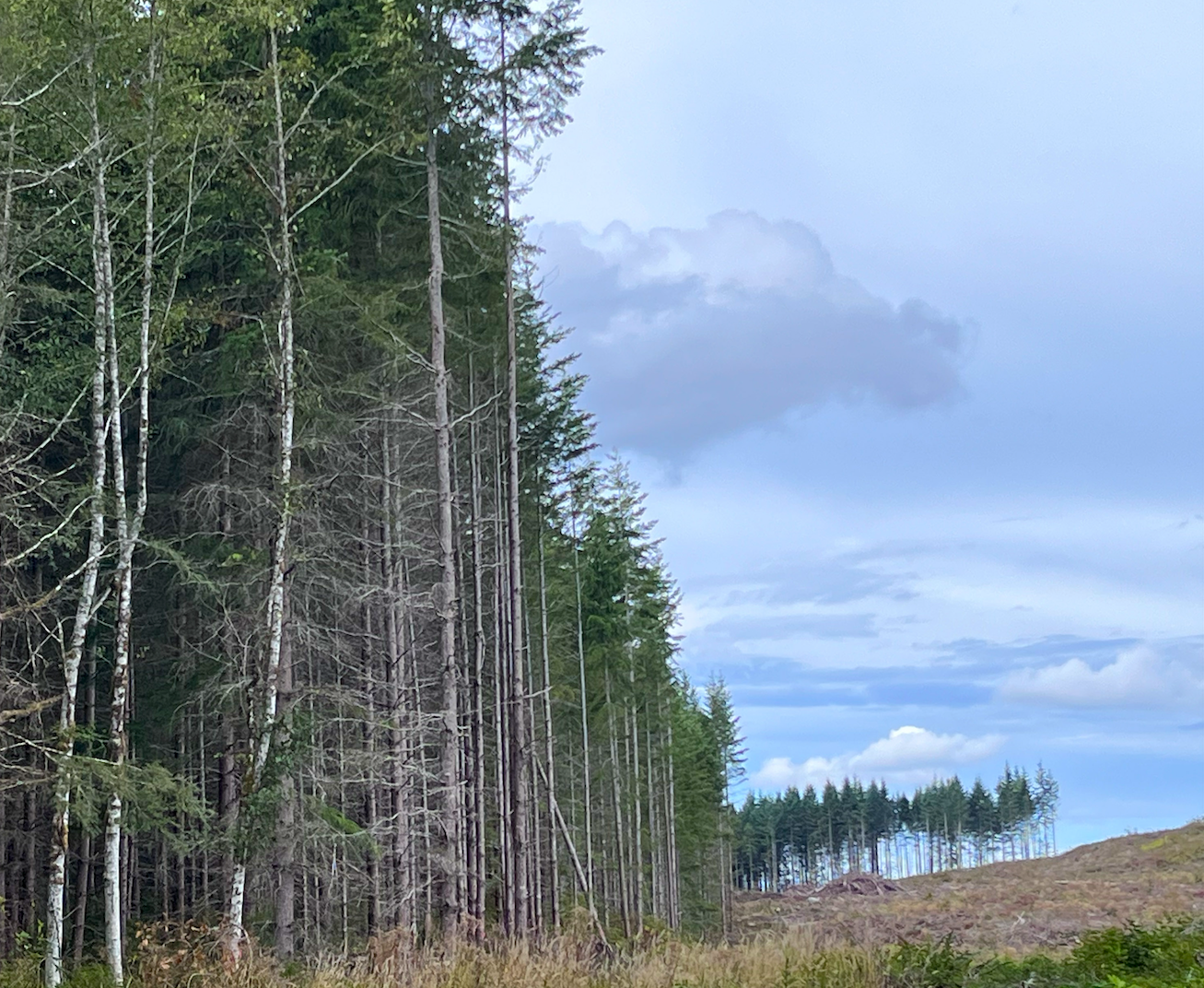
Trail near North Kitsap Heritage Park
We want to hear from you,
we invite you to share
your
stories about the places in Kitsap that mean the most to you. It could be your favorite walk on a park trail, discovering something amazing when you least expected it, or just pausing to breathe deeply. We'll select and post new stories each week. By submitting your story and photos you are giving KEC permission to post them on our website, newsletter and social media.
Share your favorite Walk!