Kitsap Farmers Fighting Hunger
Here's a way to help local farmers and Kitsap residents suffering from cutbacks in food programs.
From our friends Kitsap Conservation District and WSU Kitsap Extension:
Supporting farmers, nourishing neighbors
Together, we can make an immediate impact.
Hunger is rising in Kitsap County—more than 22,000 people in our community rely on food assistance, and that number is growing rapidly. Fresh, local food is essential to food banks throughout the county, but the funding that makes it available has been cut. USDA programs that once allowed food banks to buy produce from local farms have been abruptly ended, leaving farmers and families in a critical gap.
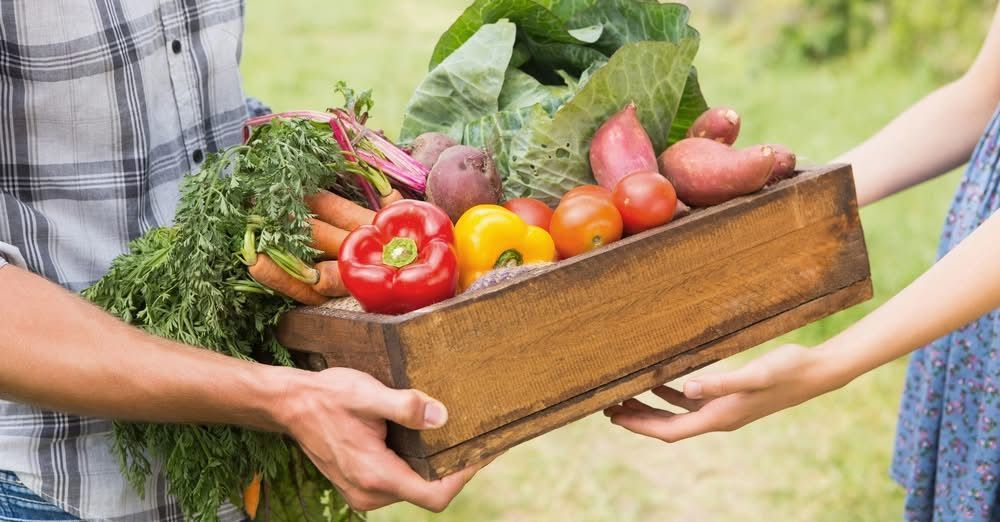
Yet a solution is here: dozens of local farmers in Kitsap County have the resources and the dedication to provide fresh food to those in need. But they can’t do it alone.
That’s why local farmers have come together with WSU Kitsap Extension and Kitsap Conservation District to launch the Kitsap Farmers Fighting Hunger campaign.
Through this partnership, community donations to the WSU Foundation directly fund the purchase of local produce for food banks.
Every dollar supports farmers, feeds our neighbors, and strengthens our local food system.