A Bear in the Yard
One of the many comments about the PROS Plan delivered to the Planning Commission Hearing on the PROS Plan: 5.20.25
I would like to comment on the PROS Plan for the Heritage Parks.
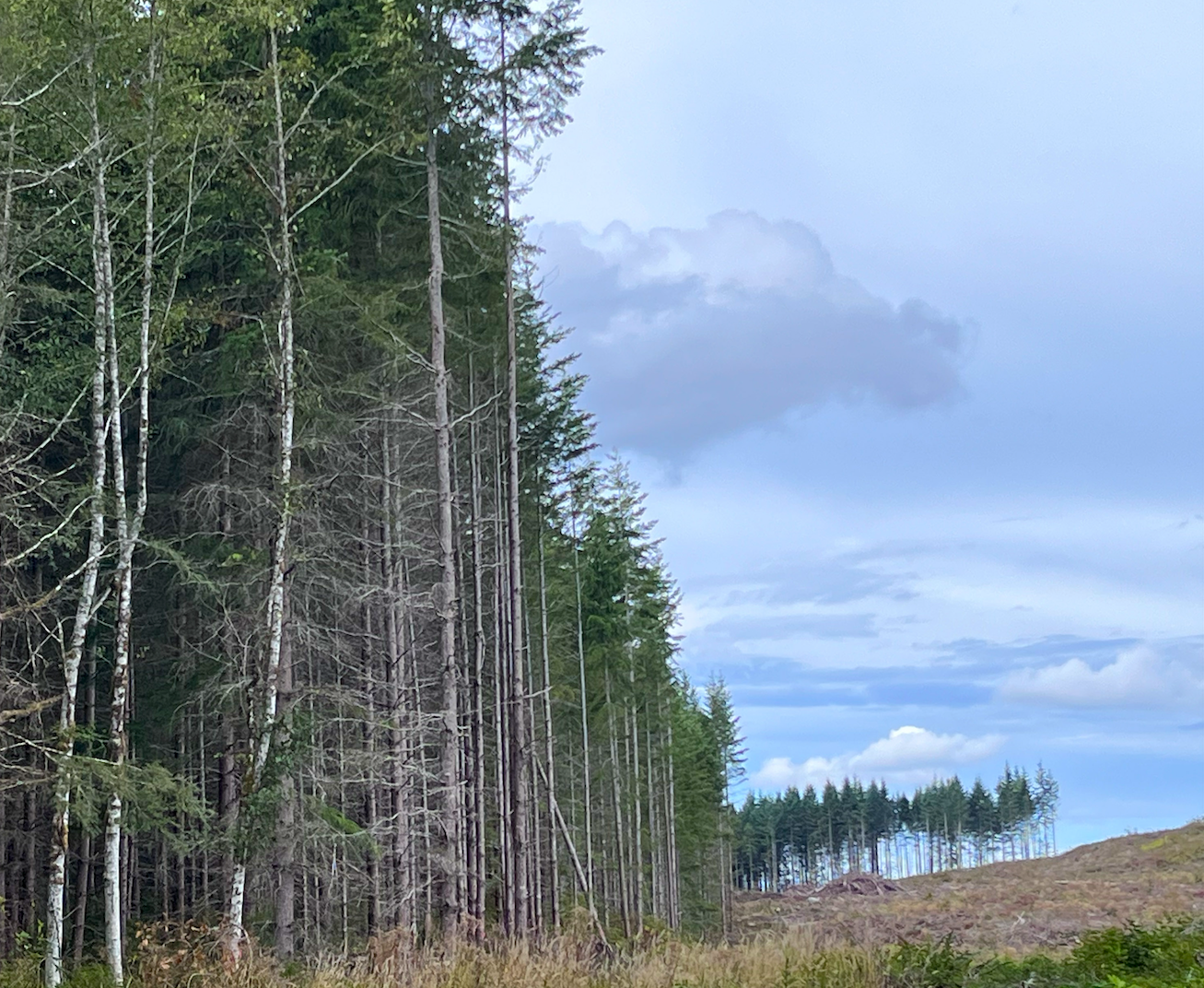
I’ve been having growing concern and a pit in my stomach every time I walk though the Gamble Heritage Park. There are a lot of bikes – they move fast – and they are changing the way the woods function.
Many of us – and it’s not just ‘environmental types’ want to keep spaces that are dedicated to wildlife. This includes things like ‘good habitat’ and undisturbed spaces.
These kind of spaces are disappearing so quickly – and once they are damaged it is very hard to bring them back.
I know bikes and other users are also valuable – but I request that they should not be the only consideration. When you add the pressure of proposed projects like the STO and general development – it starts to paint a dire picture for wildlife.
You know, my neighbor saw a bear in their yard this month. But it’s not because the bear population is thriving – but because their habitat is shrinking. And a crowded park is not an actual habitat.
Thank you for your consideration – and please do what you can to advocate for more quiet and undisturbed places in the County. It’s want we all really need.
Reed Blanchard
Indianola
Send your own comment by email to the Planning Commission by May 27, 5 pm.